

At any point throughout the day, jazz can be heard drifting from band rooms, clubs, bakeries, or car radios. While Portland’s jazz scene is smaller and more dispersed than it once was, it continues to persist, shaped by a complicated history, sustained by education, and carried forward by musicians who view jazz as both an art form and a community.
In the past, the soul of Portland’s jazz scene was centered in historically Black neighborhoods including the Albina and Williams Avenue neighborhoods, amongst others.
Matt Fleeger, the program director of KMHD, a local jazz radio station, says that, “due to the racist policies of redlining and segregation, these neighborhood hotspots mostly closed or were removed for spaces like what’s now the Moda Center.”
Like much of jazz history, Portland’s own was built on the foundation of Black artists, artists who weren’t even able to stay in the hotels at which they played due to segregation policies in the city at the time, according to the City of Portland.
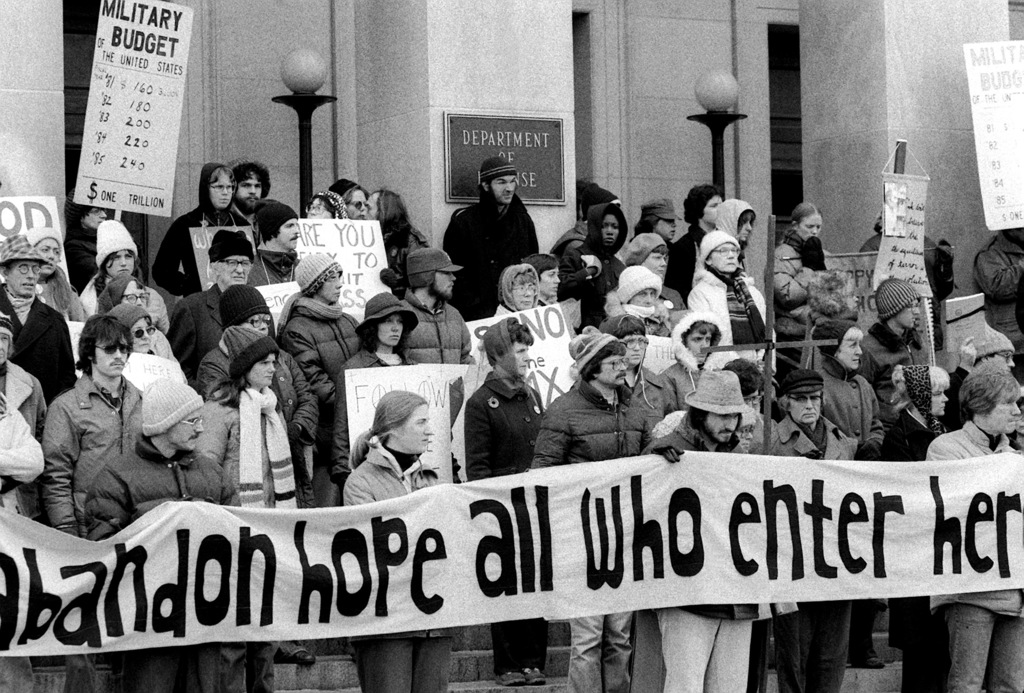
Much of the growth of jazz in Portland was disrupted by the 1948 Vanport Flood, which destroyed the city of Vanport, an expansive community consisting of shipbuilders during World War II. During that period, it had been Oregon’s second-largest city and home to a large proportion of Oregon’s Black population. After the flood, many of Oregon’s Black residents moved out of the state or to the Albina neighborhood, which contained the majority of Portland’s jazz clubs and was the epicenter of its culture. Developers later leveled Albina to build the I-5 freeway and Veterans Memorial Coliseum, which led to more than 200 Black families being displaced. The loss of many Albina residents majorly impacted the Portland jazz scene.
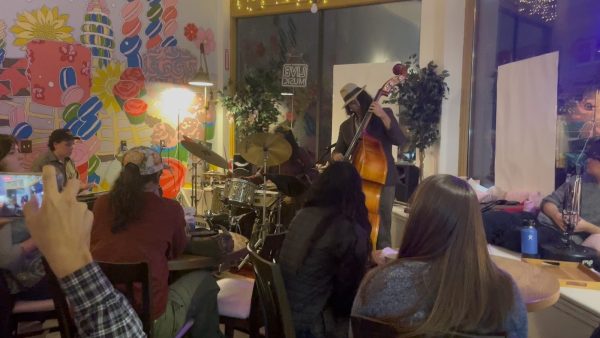
Portland’s jazz scene continues to face challenges today. Christopher Brown, a resident musician at The 1905 jazz club, says, “[Like] everywhere else, the clearest shift has been the drop in venues and festivals that prioritize live jazz.” He recalls a time in the late 1980s and 90s when he could attend jam sessions every night of the week.
Today, Brown estimates they “have probably less than 10 [jam sessions], three of which are solely dedicated to jazz.” He emphasizes the importance of physical spaces in sustaining a music community. “When people lack a place to see each other regularly, the community starts to drift.” However, he credits the founding of places such as The 1905 for demonstrating how quickly the scene can bounce back when given the ability to do so.
Despite a decline in the genre, substantially due to the very diminished number of Black residents of Portland who pioneered the art form, the city has since slowly been expanding its jazz influence. Fleeger says, “Portland has a rich history of jazz, particularly jazz education. We have many world-class musicians that have chosen to call Portland home over the years and these musicians have in turn educated many younger people who were raised here.”
Establishments like The 1905 and KMHD have continued to help re-establish jazz in the city, making it accessible for anyone to listen and contribute to the community.
Today, Portland’s jazz scene exists alongside a history of displacement and loss, but is also defined by resilience. While many historic neighborhoods and venues are gone, the culture continues through teaching, broadcasting, performing, and listening. When musicians keep passing the music forward and audiences continue to show up, jazz in Portland will proceed to live on.