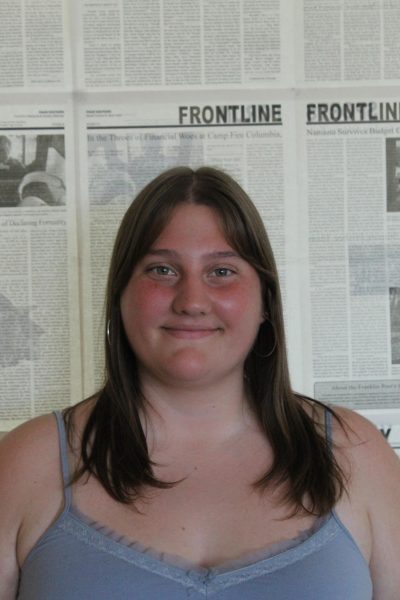


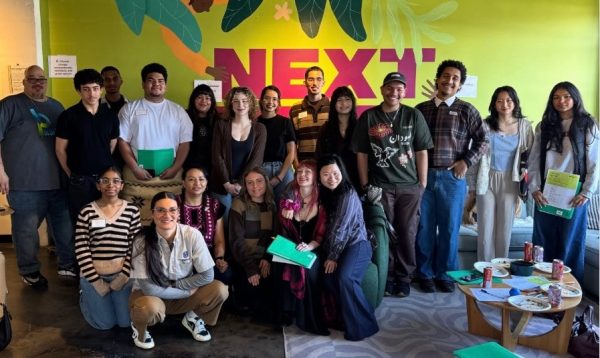
“I think it’s important for young voices to be heard,” says Franklin senior Juni Talanoa, a proud member of the Future Vision Youth Committee. “They’re going to be [Portland’s] future. … It really matters what they see fit.”
In recent years, the Metro regional government, which manages public services and long-term planning across Washington, Clackamas, and Multnomah counties, has updated their 50-year plan for the Portland Metro region’s future. According to Jessica Zdeb, the principal regional planner at Metro, the project “is supposed to be a conceptual vision for the region,” however it is not yet policy. The 50-year plan aims to look toward Portland’s “long–term horizon” and establish an overarching vision that Metro can strive towards.
Since its original adoption in 1995, the plan has significantly expanded in scope. Originally, it was strictly economic; however, as time has passed, Metro’s vision has shifted. This is mostly a result of the 2040 growth concept that has spread throughout the region. This concept ultimately strives for a more progressive outlook and community centered Portland Metro is now encouraging regional community members to share their voices and advocate for the future of their neighborhoods and locality. This plan will ultimately guide the framework of future policies, determining housing, transportation, and the funding of recreational spaces for years to come. This future-focused outlook is dedicated to developing equitable policies and listening to the community’s needs. One of the statements commonly expressed by individuals is to ensure that arts education is a part of what the youth experience in the region. In addressing this issue, Metro plans to reach out and develop their long term relationships in the featured vision in hopes to implement arts education in the future.
With newly updated ideas, the Metro Council has appointed several community members to two new committees which will guide the plan in its newly widened scope: the Future Vision Commission and the Future Vision Youth Committee. The Future Vision Commission consists of 23 members from across the Portland Metro region, who are tasked with the development and implementation of the plan, platforming community voices through their connections. The Future Vision Youth Committee has 21 current members, recruited with the help of The Blueprint Foundation and the Next Up Action Fund, responsible for advocating towards better systems and also increasing communal participation throughout the region. Both parties aim to ultimately gather and uplift diverse community perspectives, with members of varying ages from across the region given equal opportunity to influence the future of Portland.
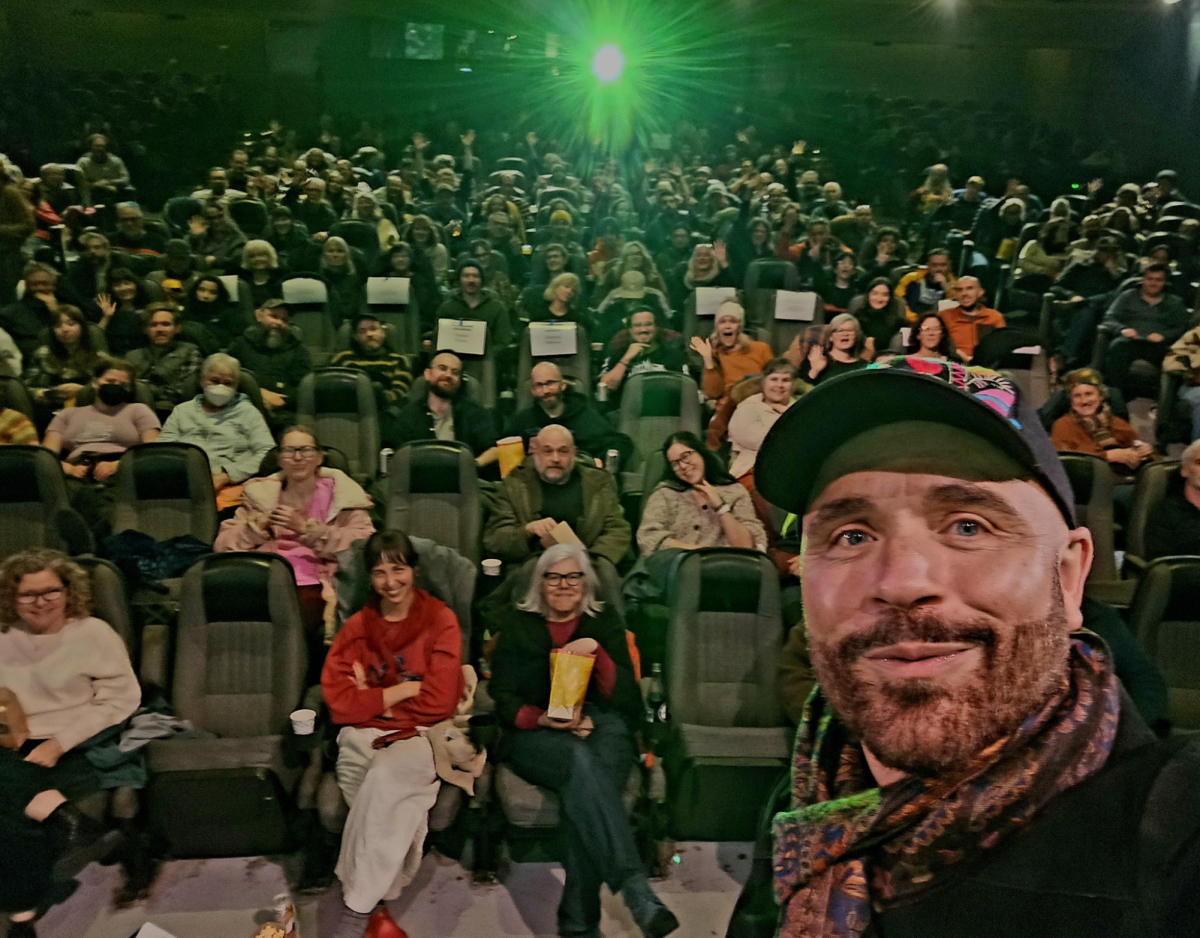
In order to empower underrepresented community members, the Future Vision Commission holds meetings in accessible locations across the city. Recently, they held public meetings at venues such as the Moda Center and the Clackamas County Development Services Building. Their next appearance is scheduled to be held at Hidden Creek Community Center in Hillsboro. McAdams feels that having diversity within Metro’s regional connections can lead to “partnerships with cities and counties” all across the Portland area, and give all “the people of the region what they want to see.”
Prioritizing the voices of the youth in the region continues to be a primary goal for Metro, as they aim to offer a platform for change. “We really want to equip [youth] to be the people who can engage with civic decisions and feel well informed,” Zdeb says, elaborating that Metro wants to “hear from the communities [the youth committee] represent[s] and make sure the vision is reflective of what they want to see.” Future Vision Commission member Cynthia Gomez further expands on this idea, adding that the voice of our community and our future leaders “changes perspective and tone … and influences action in [a] way that you could never have [if] you don’t have [a] voice out there.”
The Youth Committee has an important responsibility in helping Metro shape their vision. Zdeb explains that increased engagement from the youth committee plays a key role in representing the perspectives of communities and in securing the future of the region. Many of the causes advocated for by the Youth Committee emphasize community as a core value. Talanoa expresses his desire to see more spaces for BIPOC citizens, and more free or low–cost public spaces in our city. Similarly, Youth Committee member Olivia Sun mentions wanting to help fund educational equity and uplift programs in schools that promote cultural diversity. “I think it’s important for [the community] to have a say … right now,” Sun explains, “It is never too late to get involved.”
By putting community first, the Youth Commission hopes to continue making a difference with their unique voices and reshaping the future of our city for the better. Gomez emphasizes how much expertise the youth bring to the table, and even criticizes the separation between the youth and adult commissions. “[T]hey don’t get to see the inner workings of how we are doing this [50-year] plan,” she explains, wishing the two committees could collaborate and further their social change.
Future Vision Commission member Nellie McAdams explains that “getting to meet people from different backgrounds and perspectives” is important in fostering the ideas she brings to the panel. McAdams adds that the goal of the plan is to “grow as [a] communit[y]” within the Portland Metro Region, and allow all voices to be heard, not just to enact and implement policy reform. Gomez speculated that allowing greater communication between the Future Youth Committee and the Future Vision Commission would help uplift young individuals with diverse perspectives, and allow them to fully join the conversation.
Creating the 50-year plan and subsequent committees has opened doors for many Portlanders to get involved in the betterment of their community. One crucial example of this was the Future 50 Survey produced by Metro. This survey proposes ideas about the future of the Portland-Metro region, and provides a voice to everyone interested in looking to take action. Alongside other upcoming Youth and Vision Summit meetings, community outreach projects — such as the survey — play a big role in shaping the trajectory of Metro’s plan. The survey is open through May 31 and Metro encourages all community members to take it.
In the upcoming months, Metro will host a summit of leaders for the region in early fall, where they will really start to put pen to paper about the community’s aspirations in the future. More information about upcoming public events and questions for either council can be accessed through the Metro website. Although ultimately the council will decide on policy, showing up locally, making connections, and addressing Portland’s concerns is Metro’s goal. “We recognise [that it is] challenging,” Zdeb concludes, “[but] we’re still trying to provide space for people… and make engagement easy for folks to do.”