

From sold-out stadium tours to local basement shows, live music is a prominent feature of Portland’s entertainment scene. However, as technology evolves, the concert industry has become increasingly complex, both the intricacy of shows themselves and the process of selling tickets. Concert tickets, especially for well-known artists, often sell out within mere seconds of going on the market. Many of those tickets are snatched up by ticket resalers — people who buy a large quantity of tickets for a high-demand show and then sell them at a premium to fans desperate for a seat. By some estimates, around 10 percent of tickets for live entertainment are resold by ticket scalpers, with up to 30 percent of premium seats being scalped.
Dylan Thompson, an assistant professor at Erasmus University Rotterdam’s School of History, Culture and Communication, attributes part of this shift in concert pricing to the advent of digitalized music in the 21st century. As streaming services gained in popularity, “Artists could no longer rely on making money on selling [physical] records … they responded to increased demand for concerts by both increasing the average [concert] ticket price, as well as engaging in more sophisticated pricing strategies,” he explains.
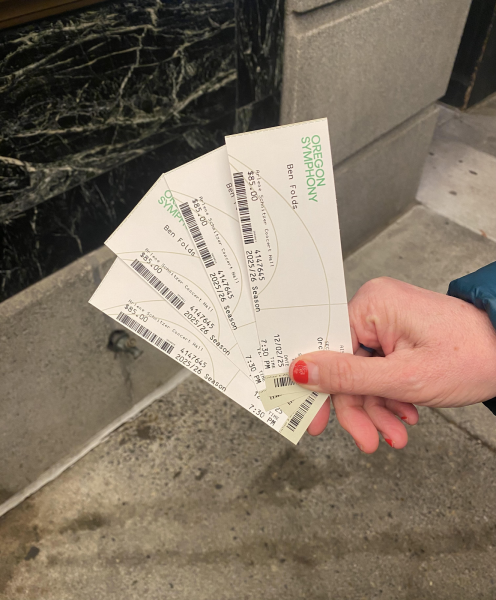
One of the most common pricing strategies is tiered pricing, a practice that usually involves charging prices that increase the closer a seat is to the stage. The price of pit tickets and prime seating can climb into thousands of dollars, while less desirable seats far from the stage or with obstructed views stay relatively cheaper. Another strategy, dynamic pricing, adjusts ticket prices based on demand, market factors, and individual consumer traits. Typically, the artist’s team sets the face value of tickets, and decides the usage of strategies like dynamic pricing during negotiations with their ticketing company. The ticketing company will then add their own fees on top of the initial price.
As online ticketing platforms have taken the place of a traditional box office, these pricing strategies have spread into the live concert industry. Founded in 1976, Ticketmaster is the largest online ticketing platform in the industry, controlling over 80% of all primary ticket sales in major concert venues, according to the Federal Trade Commission (FTC). Thompson says platforms like Ticketmaster play a considerable role in increasing concert prices. “Ticketmaster is well known for adding on various fees that are not visible until the ticket is in a consumer’s basket, and typically they cause quite an increase in the ticket price.”
These hidden fees caused Ticketmaster legal trouble in September 2025, when the FTC sued Ticketmaster and their parent company, Live Nation Entertainment, for a variety of alleged violations, including illegal ticket reselling practices and advertising deceptively low prices. Following the FTC lawsuit, Ticketmaster has continued to deny allegations, and has adjusted their software to cut down on ticket scalping and illegal resale practices.
“[Online ticketing platforms] provide a good service, but the charges for using their online platform are absurd,” says Robert Rentsch, a Portlander who has been going to concerts for 18 years. “Many times the consumer has no choice but to pay these fees. Ticketmaster has become a monopoly, and I’m concerned that they will continue to raise their fees.” Rentsch’s concerns about Ticketmaster monopolizing the live music industry are echoed in the U.S. Department of Justice’s ongoing lawsuit against Ticketmaster and Live Nation Entertainment. The Justice Department alleges that Ticketmaster’s business practices and dominance of the live concert industry threaten competition and drive up prices for buyers.
In 1996, the average concert ticket price was $49.74, adjusted for inflation. Now, the average is $136.46, almost triple the cost of tickets thirty years ago. Thompson points out that while the average ticket price has risen considerably, the cheapest ticket prices have remained similar when adjusted for inflation. He describes one of the theories behind tiered pricing: “By being able to extract greater revenue from high-demand customers — typically higher income — producers are able to drop the prices for low-demand customers — [typically] low[er] income — serving both effectively,” he says.
Rentsch adds that, “[In] general it seems larger shows and venues prices have increased at a higher rate than smaller clubs and venues.” He typically attends smaller shows at the Hawthorne Theatre, Revolution Hall, and Dante’s; which all have seating capacities ranging from 500 to 800 people. In comparison, the Moda Center, a venue that hosts a variety of live events including concerts and sports games, seats around 12,500 people. Larger venues like the Moda Center are also more likely to use platforms like Ticketmaster as opposed to directly selling their tickets.
Thompson encourages people to “seek out other options,” adding, “There are plenty of lesser-known bands and musicians that could use your support and are selling their experiences for way less.” In a similar vein, Rentsch suggests that people who are discontent with Ticketmaster’s fees should look into venues that sell tickets directly to the customer such as the Hawthorne Theatre and the Aladdin Theater. He also mentions Revolution Hall’s Ticket Kiosk, which offers tickets to shows at Revolution Hall, Polaris, Mississippi Studios, and Pioneer Square for fees much smaller than those imposed by Ticketmaster.
“Most people would be surprised at how much value they would get out of seeing a random band at the local bar for $20 compared to seeing Oasis at a stadium for $400,” Thompson says.