

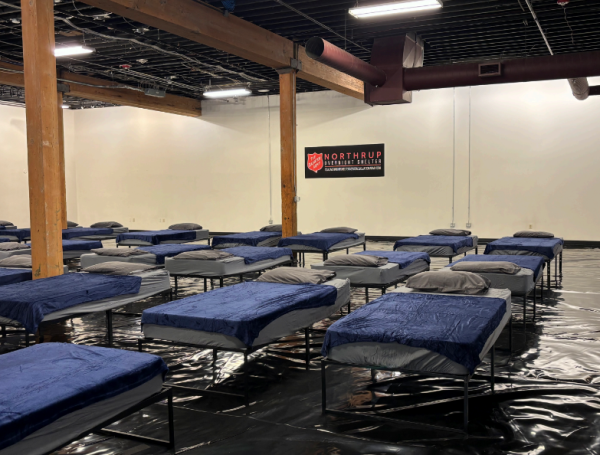
Keith Wilson became Portland’s 54th mayor on Jan. 1, 2025, with a promise to end unsheltered homelessness in Portland by 2026. As part of this promise, he pledged to create 1,500 emergency shelter beds by Dec. 1, 2025, a goal he recently achieved. These beds are located across Portland, some in newly constructed shelters and many added to existing shelters.
“My stated goal is to have a bed available for anyone who wants one, and we have met that goal,” says Wilson. “Every engagement, whether through outreach, shelter, or encampment cleanups, is a chance to connect someone to services and move them into a safer situation. Look around Portland: there’s more to do, but it’s working.”
The beds serve as a warm place to sleep overnight, but many shelters lack the storage space and full meals that would allow people to stay longer. Laura Rude is the communications and data coordinator with the City of Portland’s Homelessness and Urban Camping Impact Reduction Program. Rude explains that over the course of the project, its focus has shifted to become less about creating enough shelter beds for everyone experiencing unsheltered homelessness, and into simply having enough beds so that anyone who wants a bed for the night could find one.
The recent additions have more than doubled the number of shelter beds in the city, which was previously around 700 beds. Many of the new beds are extra, staying in reserve until needed. These beds can be added or removed from shelters as needed, based on projected needs for any given day.
In October, the city also officially debuted the NW Glisan Oasis Day Center. Many of Portland’s overnight shelters open around 6 p.m. and close around 6 a.m., meaning that during the winter months, residents leave in the dark. The NW Glisan Oasis Day Center is open from 6 a.m. to 10 p.m. “[It’s] a place [where] people can travel to after the overnight shelters close, and have a place to get some coffee, get a snack, use the bathroom, and have a shower,” Rude says.
As of the latest published data from September, the Homeless Services Department estimated that almost 7,500 homeless people remain unsheltered in Portland, marking an increase of roughly 2,500 from early 2024. “We’re getting over 1,000 people a month into housing and off the streets… so there’s work happening, and people are getting assistance, but it’s not happening fast enough or for enough people,” explains Rude. This influx is primarily due to the lack of affordable housing available. Although several government housing resources are available to the public, Rude notes that many go empty. “Some of [the problem] is just administrative stuff that delays getting new people moved in, and some of it can be moving people into housing who really need these other wraparound services,” she says.
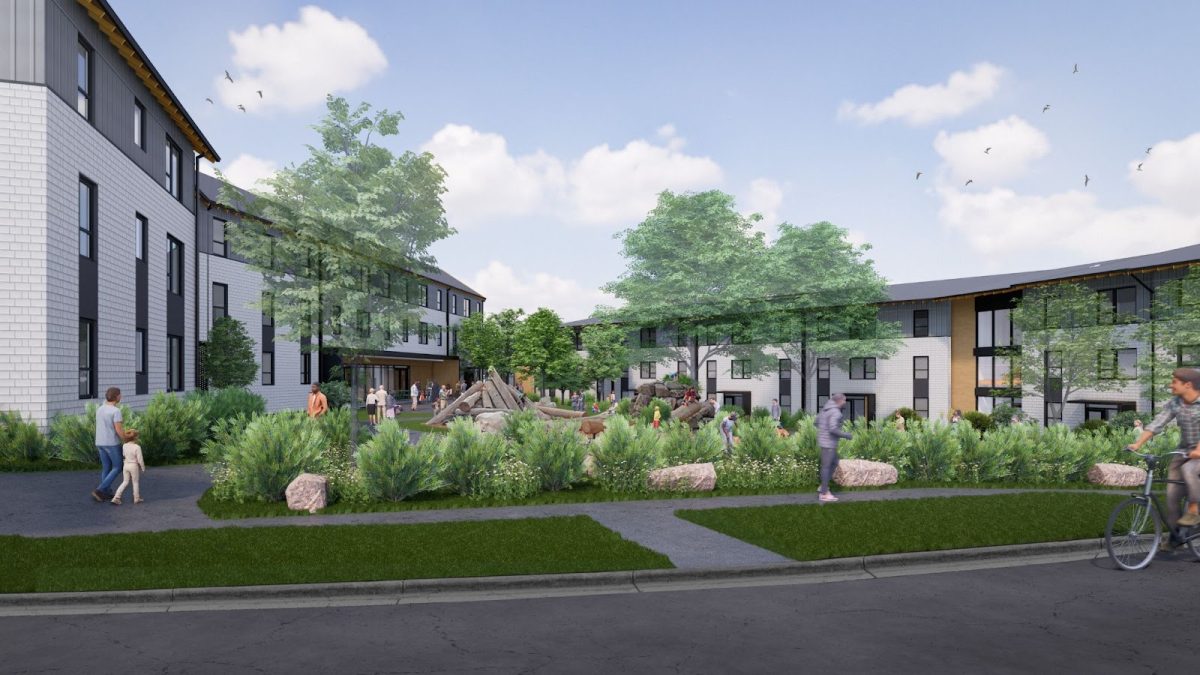
Now that the shelter beds are established, the city’s next focus will be on establishing long-term housing solutions and the support needed to go with them. Rude explains that the next step will involve looking at the shelter bed model and analyzing where there is success, to make adjustments and improve for the future.
Wilson believes that the real “long-term solution” to homelessness is permanent housing. While emergency shelters effectively save lives through immediate intervention, they don’t begin to address the larger issues behind homelessness. “Homelessness is a housing problem, plain and simple,” Wilson says, “Our [city’s] Housing Strike Team is using unprecedented tools and coordination to increase Portland’s housing supply. I’ve directed my staff to treat this crisis like a crisis, deploying lifesaving interventions today and securing sustainable housing tomorrow.”