


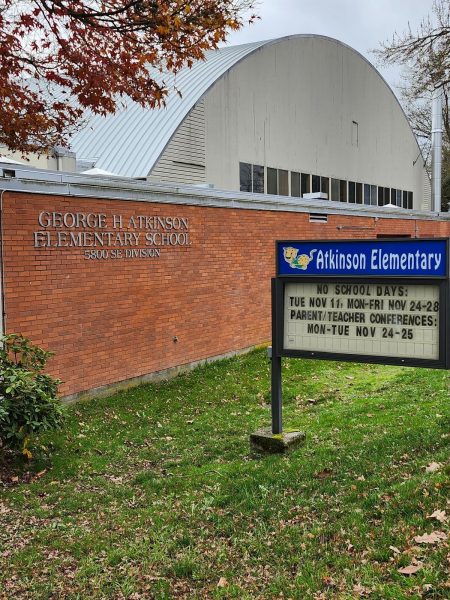
What advice do you think your five-year-old self would offer you today? I spoke to a kindergarten class at Atkinson Elementary School to find out. Maria Tobon Olguin’s kindergarten students offered an enlightening perspective into how children ages five to six interpret the world around them.
Lillian Brown, a child and family therapist at Family Ties Counseling Center, explains that kindergartners think and act in such unique ways because “five-and-six-year-olds are discovering their sense of self outside of their caregivers, which comes with a lot of boundary pushing, personality searching, and questioning about the rules of the world.” The California Department of Education explains that five-year-olds are at an age centered around finding their independence, although they still need support and assurance from loved ones during their development. Brown continues, adding, “They still carry that creative whimsy, desire for interpersonal connection, and difficulty managing big feelings that might come easier to the older age groups.”
When this kindergarten class was asked why they believe school and the skills they are actively learning are important, their hands eagerly shot up. Rafa and Zayna, two kindergarten students, both said that going to school was important because “you can learn.” Max, another student added it is, “so we can read.” Their interpretation of education’s importance demonstrates their understanding of its necessity in transitioning basic knowledge to deeper learning. Although some students are passionate about the learning experience, many acknowledge the variety of challenges they’ll need to overcome. Rafa shared their hesitancy to begin kindergarten, “I was scared at first.” They were worried about knowing if “the teacher was going to be mean or nice.” Starting a new school year and meeting new people may be nerve wracking for all ages, and kindergarteners especially recognize this. According to ScienceDirect, making friends at school encourages students to look forward to attending every day.
Friends in kindergarten are simply people you can have fun with, for instance, through doing finger painting, singing Let It Go, or having a playmate during recess. Research done by Damon Jones, PhD, a senior research associate at Pennsylvania State, suggests that when kindergarteners are engaging in social interactions, they are more likely to succeed in their future through reaching higher education, obtaining full time jobs, and healthy lifestyles. Nayad, another student, stated that the way that they make a new friend is by plainly “ask[ing] them.” The rest of the kindergarten class agreed with this statement, adding that the people they ask to be friends with usually say yes. One of the kindergarteners also mentioned that the reason we should have friends is “so we don’t be lonely.”
Love is a concept interpreted differently by all ages, cultures, and people. The meaning of love is shown in the different relationships people have with one another. The kindergarteners most often referred to love for someone or something close to them, like family members or relatives. One student named Löve, expressed that they love their “mom and dad.” These kindergarteners see their parents as extremely significant members in their close-knit circle. Another student Gaél added that love means “you care about someone a lot.” For other students, whether it’s Camdym’s bunny, Ayelen’s birthday, or Itzel playing, love is something that brings them joy.
Kindness is a prominent feature in their vocabulary. Two more students, Camdym and Stella, mentioned that kindness“makes you feel better.” They said they use kindness to uplift each other when someone is feeling down. Ethan said that to “be kind” is an important lesson to apply into our lives. Camdym’s advice was to “be respectful to others” and Wilca asked for people to be “kind to us [kindergarteners].” Kindness and respectfulness for them is an essential part of their school experience.
This kindergarten class demonstrates values that easily apply to older generations, such as love, friendship, and kindness. These are values that are often not valued with the same simplicity that the kindergarteners possess. Brown explains the value of kindergarteners’ perspectives, arguing that “People can learn the skill of patience from five-to-six-year-olds. Kindergarteners allow themselves time to develop new skills, make mistakes, and try again.” The kindergarten class was interested in the mention of high school, with a couple of students expressing that they were ready for college. Although they exhibited prominent enthusiasm for school, they were also sad about the thought of leaving kindergarten and growing older. Still, they remained excited and ready for what’s next to come in their lives. Their optimism about this is notable and remarkable. Brown appreciates the characteristics of five-and-six-year-olds. “I love their pure hearts and curiosity about the world.” Seeing through a kindergartener’s perspective teaches us to tune into our inner child and respark our awe towards the world.